Cellar Sign Studio · buyer guide
Permanent winery identity versus changing tasting menus
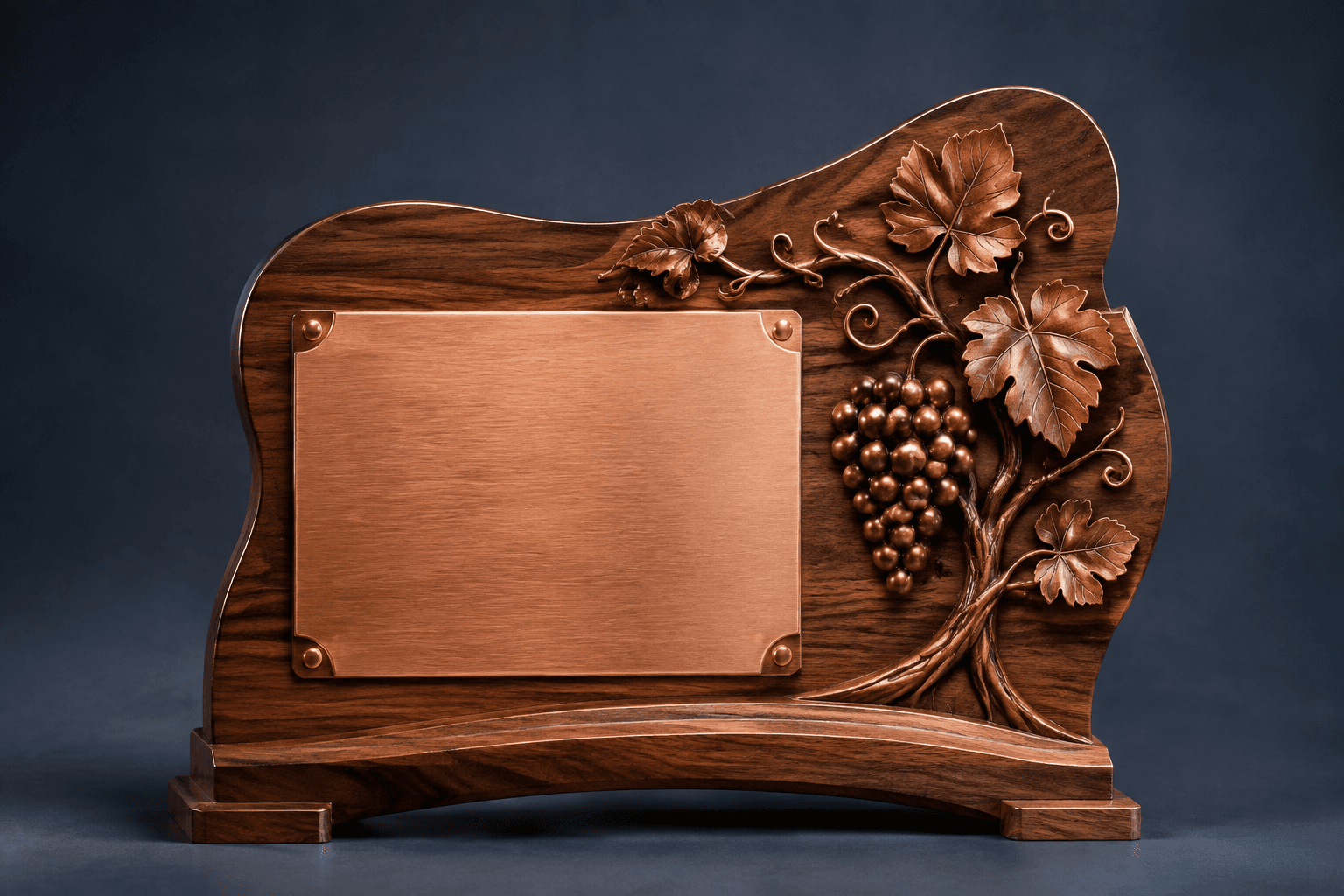
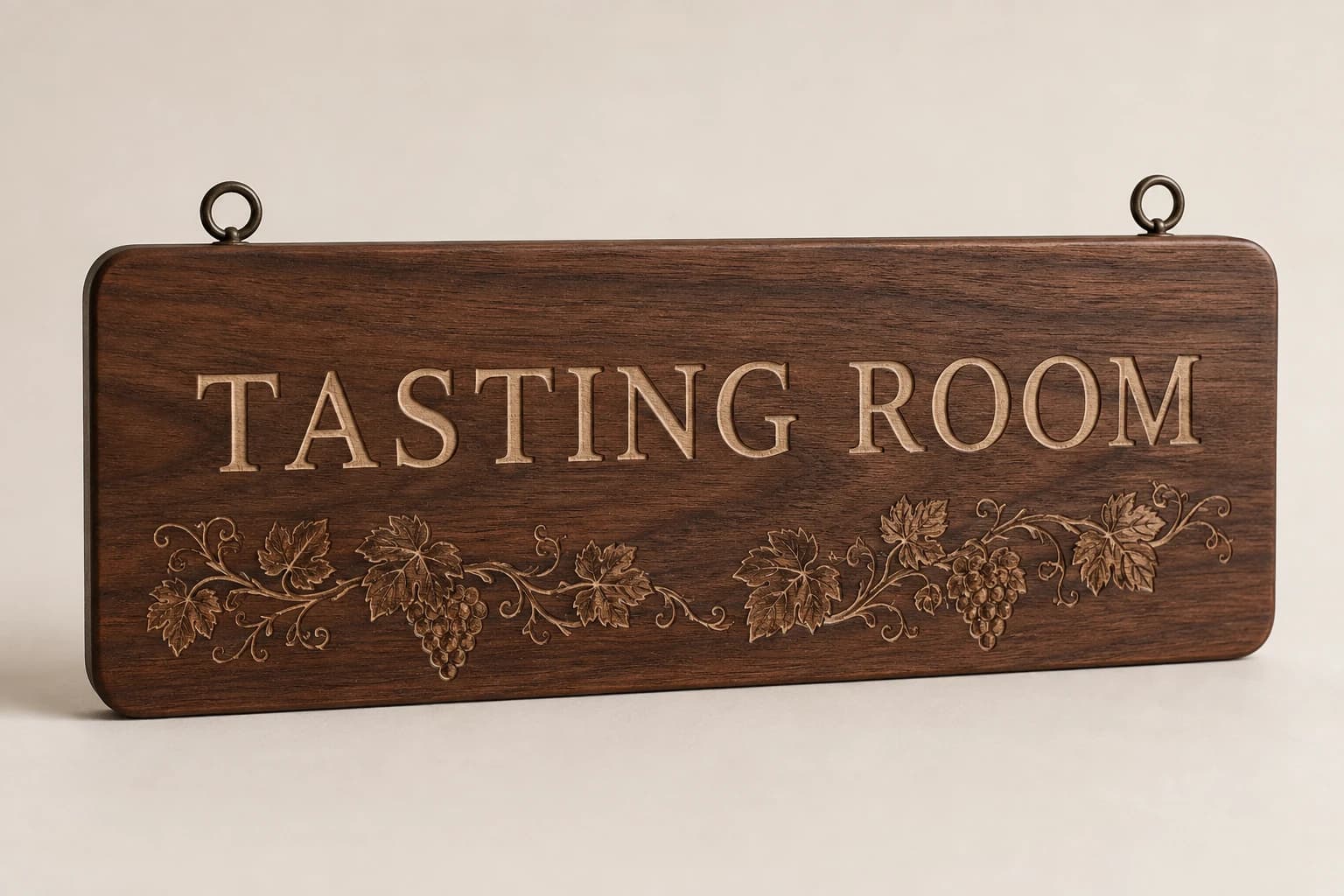
For Cellar Sign Studio worldwide orders, keep the winery’s stable identity separate from changing tasting content when the menu needs regular revision. A combined design can work only if the venue accepts its update method and replacement scope. Decide which words should last before selecting a finish, frame or decorative treatment for the complete display.
Reviewed 2026-09-05 · AI-assisted editorial review. General buying guidance; illustrative scenarios are not customer case studies. Images are AI-generated concepts.
List stable content such as the approved venue name and any lasting dedication. Then list changing content such as the selected flight, wines, vintage references and current prices. Ask the venue owner to approve that division. A producer name may remain stable while a particular bottle offering changes, so do not classify every wine-related word as permanent.
The main decision is how the display remains accurate after the first service. If a menu item changes, staff should know which record to update and which physical piece is affected. Ask the maker to confirm the proposed mechanism rather than assuming a framed concept includes an easily replaceable insert.
What information belongs on the permanent identity piece?
A permanent identity piece should carry the venue name and other wording the owner intends to keep stable. Optional founding dates, dedications or producer relationships need their own approval. Leave changing tasting selections and prices off that piece unless the owner deliberately accepts the cost and process of updating them.
Review the exact public name, logo asset and any descriptive line. A venue name and a beverage producer name may be different entities. The owner should decide what the sign identifies rather than allowing a copied bottle label to create an unintended identity statement.
Ask where the piece will be displayed and how it relates to the changing menu. A stable sign can establish the venue while a nearby menu supports the guest's next choice. The two should be visually connected enough to make sense together, but their different jobs should remain clear after the menu changes.
How should changing menu content be prepared?
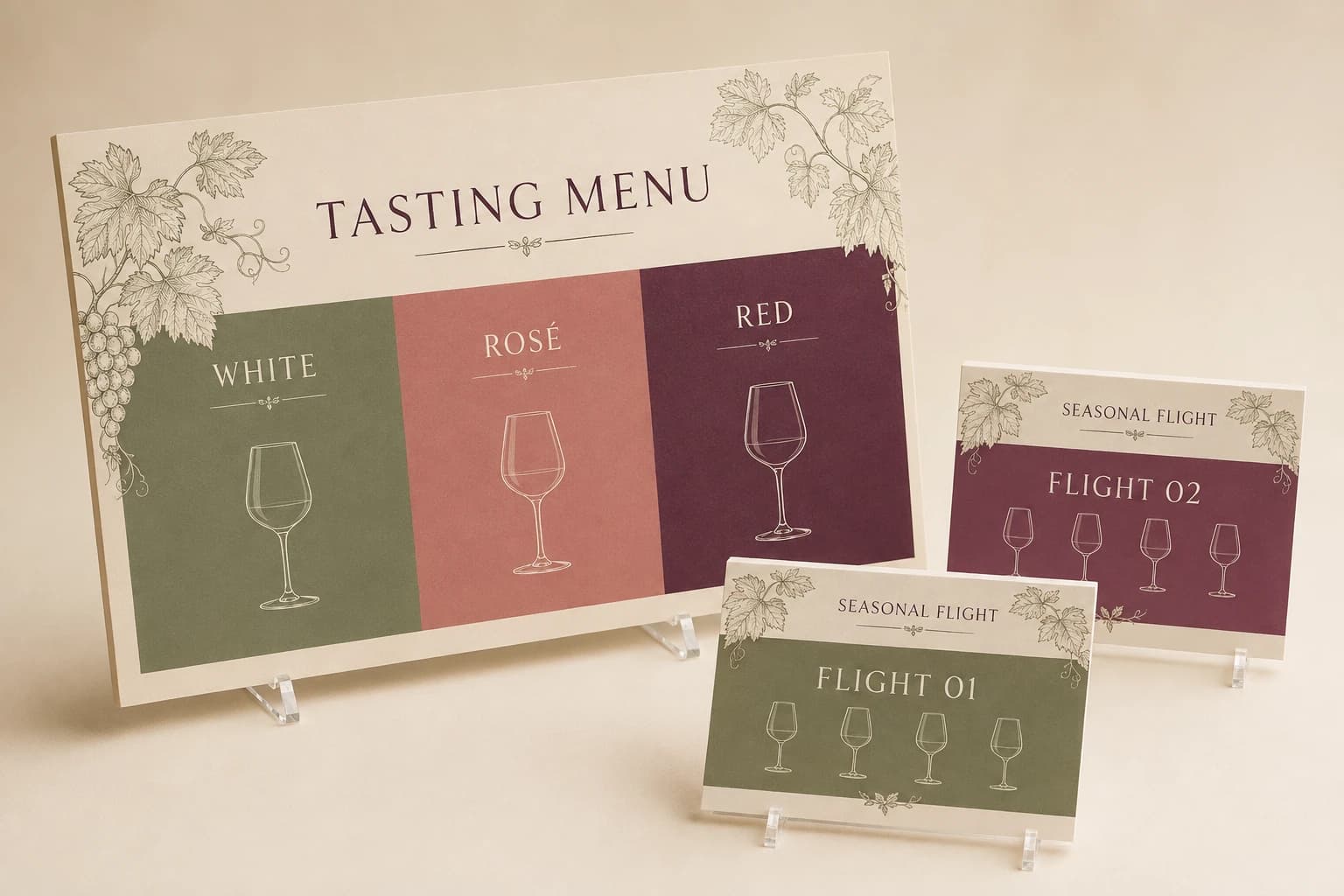
Prepare changing menu content in a controlled file with exact wine names, vintage information, prices if shown and an approval date or revision. Assign one venue owner to release that content. The maker should reproduce the approved menu, not infer current availability from an old bottle photograph or website page.
Use separate fields for the beverage name, vintage and description so a revision can be checked precisely. If an item is removed, confirm whether the menu should close the space, show a replacement or use another approved treatment. Do not leave an unexplained blank line in a guest-facing display.
For a replaceable insert proposal, provide the holder measurements and ask what format the maker actually supports. A printed menu, engraved insert and fully permanent board involve different update work. Compare the complete current scope and the practical next revision, not only the appearance of the first proof.
Illustrative example: How do one permanent sign and eight menu displays total nine?
Count permanent identity pieces and menu displays as separate physical groups. In the fictional example here, one venue identity sign and eight individual menu displays make nine ordered pieces. The count says nothing about wine availability or service capacity; those decisions belong to the venue’s approved operating plan.
Load the quantity calculator with one main unit, one each, eight additional category pieces and no spares. The result is nine total pieces. The worksheet records one stable sign and eight changing-menu deliverables, with their artwork references separate.
If the venue already owns eight accepted holders and is buying inserts only, describe those eight deliverables as inserts in the quote. If it needs eight complete displays, state the included supports. The physical count can be nine in either case while the component scope and price differ substantially. The quote must preserve that difference.
What should a written quote say about menu updates?
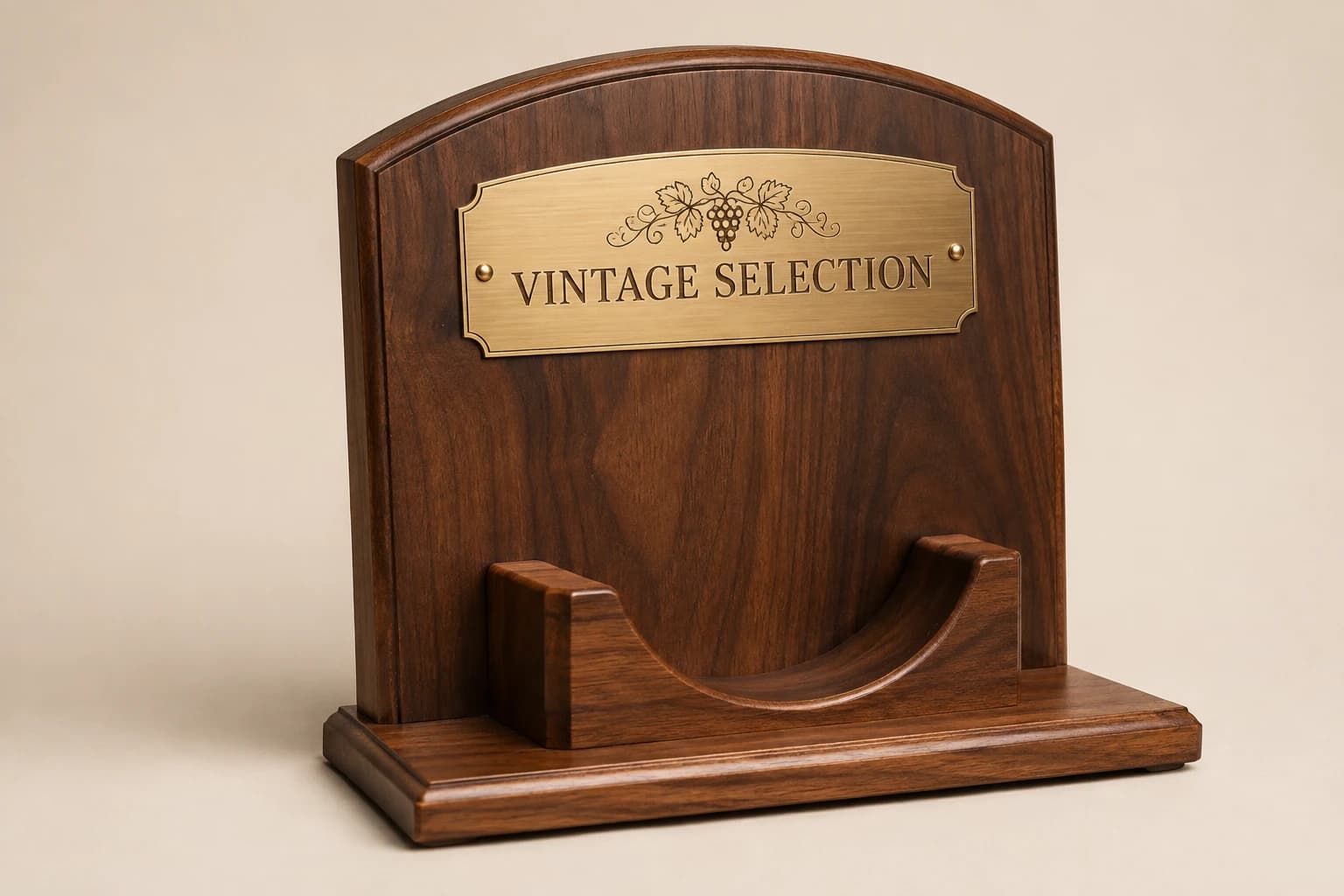
A useful quote identifies the permanent sign, each menu deliverable, included holders or supports, personalization work and the proposed update method. It should distinguish inserts from complete displays and state the current packing and delivery scope. Public rates are not supplied here; compare written prices against the same physical units.
Ask what information is needed for a later menu revision and whether the accepted holder or layout can be reused. Do not assume future changes are included in the initial purchase or that they will have the same timing and cost. A reusable specification can make the request clearer without creating a service commitment.
If the venue wants an urgent menu change, provide the exact revised content and required receiving date. Confirm the actual production and transit arrangement in the current quote. The fact that the permanent identity piece is already approved does not automatically release a new menu or reserve its production slot.
Count permanent and changing display pieces
Load the fictional worked example, then replace every assumption with your approved project inputs.
Method: Calculate only the entered physical counts. The result does not choose specifications, authorize wording or reserve production.
Build your plan
Set spares yourself. This calculates the quantities you enter; it does not assume a recommended buffer.
Use the article’s example files
Fictional example rows show how to separate physical quantities, wording and approval references. Replace them with your project schedule. HOLD and SAMPLE entries are not production instructions.
How do you keep the display accurate after opening?
Give the changing menu a named content owner and a clear revision record. Staff should know which physical inserts show the selected version and which older copies are superseded. Keep the stable identity piece in a separate record so a routine menu update does not reopen unrelated venue artwork.
At receipt, compare the menu text with the approved current file and check the physical fit against the accepted holder specification. Then distribute the correct revision to each intended display position. Nine pieces in a carton can still contain one old menu mixed with seven current copies.
When a menu changes after service begins, remove superseded copies through the venue's own process and reconcile any stored spares. A spare is useful only if its content is still approved for the intended use. For the next Cellar Sign Studio request, state the exact current revision and whether the order needs replacement inserts, new complete displays or a change to the permanent identity piece.
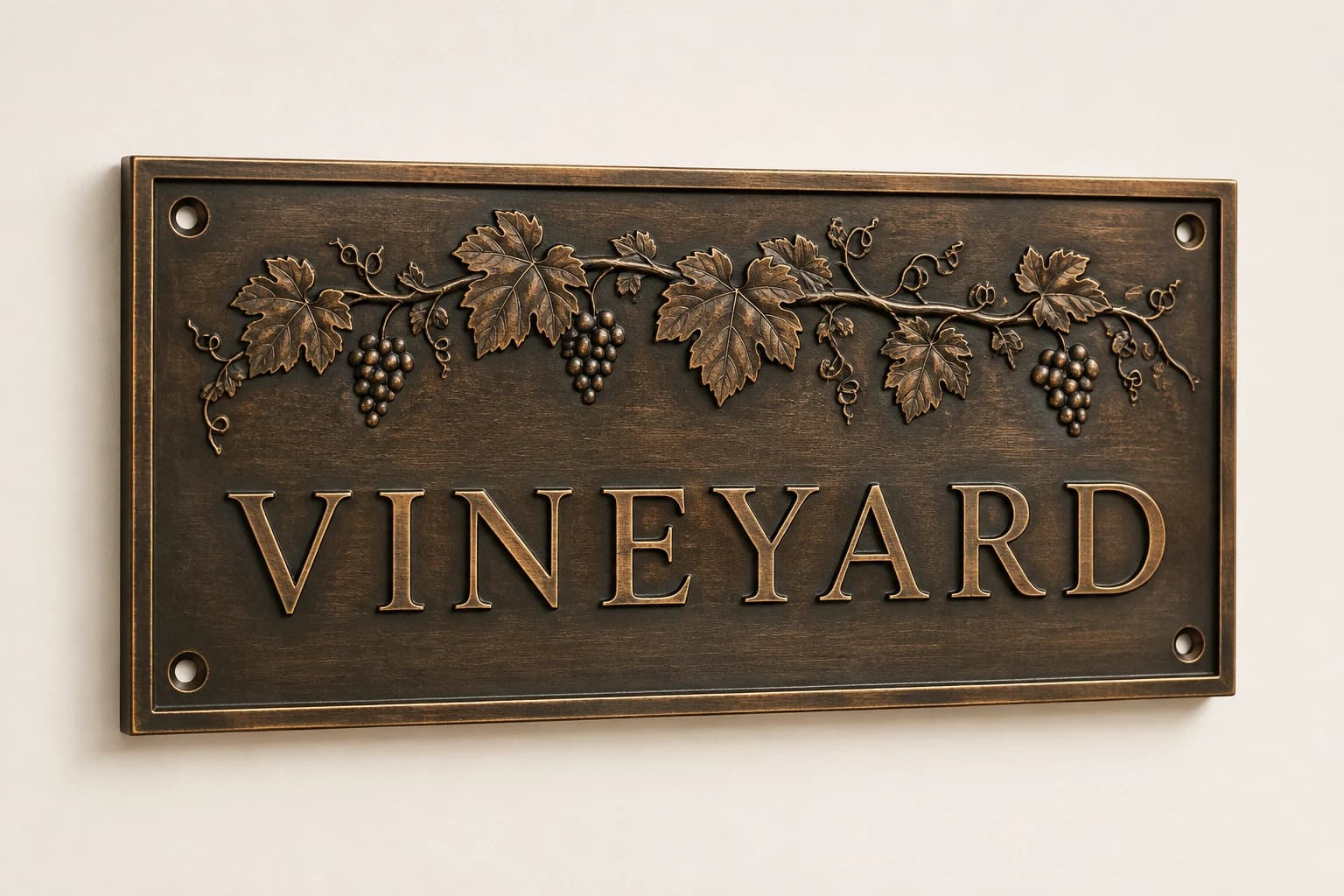
What should remain in the reorder file?
Retain the approved venue identity artwork and the current menu layout as separate references. A new tasting list should update the menu record without silently changing the venue name or logo. Keep the physical holder specification connected to both so the next coordinator can tell what is reusable.
If the venue changes its public name, ask which permanent and changing pieces need revision. That is a broader identity decision than replacing one sold-out wine. Cellar Sign Studio quote requests are clearer when they state whether the job is a new permanent piece, fresh menu inserts or an approved change to both.
How do you manage a menu change at only one tasting area?
Identify the affected tasting area and its approved menu revision without changing every display automatically. A private event or separate flight may use a deliberate variant while the main room retains another list. Keep each variant linked to its physical locations so staff can distinguish an intentional difference from an outdated insert.
Ask the menu owner to approve the full variant, including wine names, vintage references and any prices. Do not create it by deleting a few lines from the main file without checking the resulting meaning and layout. The maker should receive the selected content and the quantity of inserts or complete displays actually needed.
At receiving, label the variant by its event or location reference. After that use ends, the venue should decide whether it remains current, returns to storage or is superseded. A spare copy from a special flight should not silently replace the main tasting menu merely because its dimensions match the same holder.
Which option fits this order?
The best choice depends on how long the information should remain true and what must happen when it changes. Compare the stable piece, replaceable menu and combined design as different scopes, with actual components and update work described in the proposal before evaluating their quoted totals.
| Option | Useful when | Scope to resolve |
|---|---|---|
| Permanent identity sign | The venue name and approved lasting message should remain in place. | Exact identity, display location and complete construction. NMSU discusses tasting menus and wine identification. |
| Replaceable menu display | The tasting list or prices change while the support may remain. | Current content, insert compatibility and the actual revision process. |
| Combined permanent board | The owner intentionally accepts replacing or revising one complete object. | Which content can change and the resulting physical work and cost. |
Sources: New Mexico State University: Design and Functionality of a Wine Tasting Room
What should buyers confirm before ordering?
Permanent venue identity and changing menu content need different update records. Cost should be compared per actual sign, insert or complete display, with the included components clear. These answers explain replacement menus, vintage wording and stale spares so the venue can keep the guest-facing offer current without unintentionally reopening stable identity artwork.
How is a permanent-sign and menu order priced?
Cellar Sign Studio requests should separate the price per permanent piece from the price per menu insert or complete display. Quantity, dimensions, personalization, supports and delivery affect the proposal. Ask the written quote to identify included work and the scope of later menu changes. No public rate or automatic future-update allowance is assumed here.
Can the menu be changed without replacing the venue sign?
That is possible when the approved physical design separates the changing element, but the actual construction must be confirmed. Ask whether the order includes a removable insert, a retained holder or another update method. A visual border around the menu on a concept image does not prove it is independently replaceable.
Should a vintage go on the permanent venue plaque?
Include it only when the owner deliberately wants to commemorate that particular vintage. A venue identity and a current tasting offer have different time scopes. Keep a changing vintage reference in the menu unless the permanent piece is specifically intended to record a historical product or occasion.
Does a spare menu remain useful after the list changes?
Only if its content is still the approved version for the intended service. Keep spare inserts identified by revision and review them when the tasting list changes. An unused old menu is not automatically a suitable replacement simply because it fits the holder and has never been displayed.
What must the venue provide before artwork is released?
Provide the approved venue identity, exact current menu content, quantities and physical display references. Identify who can approve changes to wine names, vintages and prices. The maker should not resolve conflicting menu files by choosing the newest-looking document or copying information from an unrelated public page.
Sources and scope
The sources below support the cited technical details. The ordering workflows are editorial recommendations. Your project specification, price and schedule are established in the written quote and approved proof.
- New Mexico State University: Design and Functionality of a Wine Tasting Room · checked 2026-09-05
Which buying guide should you read next?
All buying guidesCellar Sign Studio bilingual tasting-room signs should help the same guest action in both languages while preserving approved wine names and vintage references. For worldwide orders, assign language reviewers before artwork is released. A translated heading, a product name and a price are different fields and should not be revised as one block.
Cellar Sign Studio tasting-room sign schedules should begin with the next action a guest needs to take, then assign a physical display to the approved location. For worldwide projects, separate arrival, tasting and checkout information from decorative venue identity. Count the resulting pieces after the guest path and current content are reviewed.